
The psychological effects of gambling Understanding ice fishing and its impact on behavior
The allure of gambling
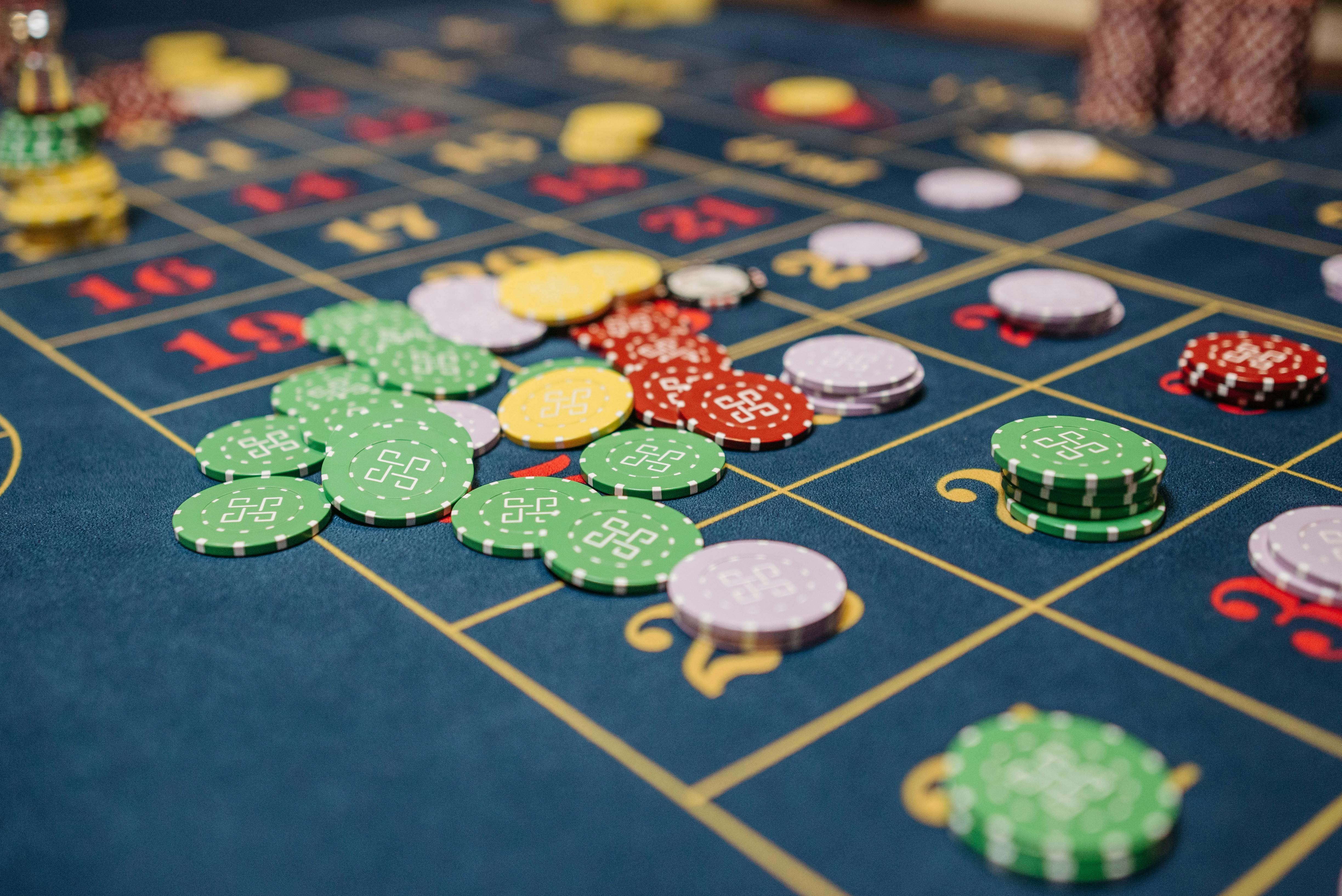
Gambling has long been a captivating activity, drawing individuals into its world of chance and risk. The psychological effects of gambling can be profound, as it plays with emotions such as excitement and anxiety. Many people find the thrill of placing a bet intoxicating, leading to a temporary escape from daily life. However, this allure can often mask deeper psychological issues, revealing itself as a double-edged sword that can lead to both exhilaration and despair. Engaging in an ice fishing game offers a different kind of thrill, blending relaxation with excitement.

The excitement generated by gambling can trigger the release of dopamine in the brain, creating feelings of pleasure that are hard to resist. This chemical reaction often explains why individuals may become addicted to gambling; the highs can lead to a persistent craving for the next bet. Unfortunately, this can escalate into compulsive behavior, where individuals chase their losses, further entrenching them in a cycle of financial and emotional turmoil.
Additionally, the social aspect of gambling adds another layer to its psychological effects. For some, it becomes a communal activity that fosters relationships and bonds. However, for others, it may lead to isolation when gambling habits spiral out of control. Understanding the psychological allure of gambling is crucial in recognizing its potential impacts on behavior, both positive and negative.
The dynamics of ice fishing
Ice fishing, while seemingly a more benign activity, has its own unique psychological effects that can mirror those of gambling. The patience and anticipation required in ice fishing can create a sense of calm, offering an escape from everyday stressors. This peacefulness can be appealing, but it can also lead to obsessive behaviors, much like gambling does. The act of sitting for hours, waiting for a catch, can sometimes provoke thoughts and feelings that can spiral into compulsive thinking.
Moreover, ice fishing often includes an element of competition, whether against oneself or others. This competitive spirit can heighten emotional stakes, especially when anglers are vying for the biggest catch. The psychological drive to succeed in this environment can evoke feelings of anxiety and excitement, similar to the experiences found in a gambling context. Therefore, while ice fishing is generally viewed as a recreational activity, it can also manifest complex psychological behaviors.
Furthermore, both activities allow individuals to connect with nature, fostering a sense of tranquility that can lead to self-reflection. While many find peace in these moments, others may confront unresolved emotional issues, potentially leading to risky behavior. Understanding how ice fishing influences behavior can shed light on broader psychological themes related to both recreational activities and gambling.
The impact of cultural perspectives
Cultural perspectives significantly shape how gambling and activities like ice fishing are viewed and experienced. In some cultures, gambling is a revered tradition, often intertwined with social gatherings and community bonding. This cultural acceptance can normalize risky behaviors, further complicating the psychological landscape for participants. Understanding these cultural nuances is essential for a comprehensive view of gambling’s effects on behavior.
Conversely, in cultures where gambling is stigmatized, individuals may experience guilt or shame associated with their gambling activities, leading to further psychological distress. This stigma can push individuals towards secretive behaviors, exacerbating feelings of isolation and anxiety. Similarly, ice fishing may also be viewed differently across cultures; while it may symbolize relaxation and community in some, it can represent competition and pressure in others.
Exploring these cultural angles not only helps in understanding individual behaviors but also contributes to broader societal conversations about acceptable recreational practices. These insights can aid in developing tailored interventions for those affected by gambling and related behaviors. Recognizing the interplay between culture and psychological effects helps in addressing the multifaceted nature of addiction and compulsive activities.
The psychological risks associated with both activities
Both gambling and ice fishing carry inherent psychological risks that can lead to detrimental behavior. For gamblers, the risk of addiction looms large, often manifesting as financial problems, strained relationships, and mental health issues. The compulsion to gamble can overshadow other life responsibilities, leading individuals to neglect their personal and professional lives. In this sense, gambling becomes a destructive escape rather than a healthy leisure activity.
Ice fishing, while less overtly risky, can also become problematic if individuals begin to prioritize it above their well-being or responsibilities. The potential for obsession over the activity can lead to unhealthy behaviors, such as excessive time spent alone or neglecting social interactions. This can manifest in increased anxiety and a detachment from family and friends, similar to the social isolation that can occur with compulsive gambling.
Understanding these psychological risks is vital for both participants and those around them. By recognizing the signs of compulsive behavior in both gambling and ice fishing, individuals can seek appropriate help and resources. Whether through therapy or community support, addressing the psychological impacts of these activities is crucial for fostering healthier relationships with recreational pursuits.
Exploring support and resources
Finding appropriate support for those affected by gambling and related behaviors is essential for fostering recovery and healthier habits. Many organizations offer resources aimed at helping individuals understand their behaviors and develop healthier coping strategies. These resources often include counseling services, support groups, and educational materials that address the psychological aspects of gambling addiction.
For those struggling with compulsive gambling, the journey to recovery often begins with acknowledgment and acceptance. Engaging with support groups can provide a sense of community and understanding, allowing individuals to share their experiences and learn from others facing similar challenges. Moreover, educational programs can raise awareness about the psychological effects of gambling, equipping individuals with tools to manage their urges and behaviors.
In addition, resources available for ice fishing enthusiasts can also focus on fostering healthy engagement with the activity. Educational programs about responsible fishing practices can minimize risks associated with obsessive behaviors while promoting community bonding. By exploring available support options, individuals can create a balanced approach to both gambling and recreational activities like ice fishing, ensuring healthier relationships and behaviors.